Breast size can have a significant impact on a woman’s physical comfort, daily activities, confidence, and overall wellbeing. While larger breasts are completely natural, excessively heavy breasts can sometimes place considerable strain on the neck, shoulders, back, and chest. For some women, this discomfort can affect everything from exercise and clothing choices to sleep and …

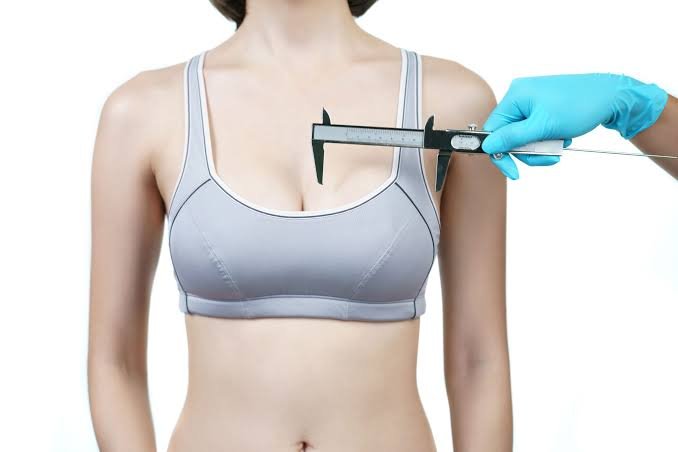
Breast size can have a significant impact on a woman’s physical comfort, daily activities, confidence, and overall wellbeing. While larger breasts are completely natural, excessively heavy breasts can sometimes place considerable strain on the neck, shoulders, back, and chest. For some women, this discomfort can affect everything from exercise and clothing choices to sleep and everyday movement.
Breast reduction surgery, also known as reduction mammoplasty, is a procedure designed to remove excess breast tissue, fat, and skin to create a smaller and more proportionate breast shape. Although many people think of breast reduction as a cosmetic procedure, its potential benefits can extend well beyond appearance.
For women who experience physical discomfort or limitations because of disproportionately large breasts, breast reduction surgery may support a better quality of life by making everyday activities more comfortable and helping them feel more confident in their bodies.
What Is Breast Reduction Surgery?
Breast reduction surgery is a surgical procedure that reduces breast volume by removing a combination of excess skin, fat, and glandular tissue. The remaining breast tissue is then reshaped, and the nipple and areola may be repositioned to achieve a more balanced appearance.
The exact surgical approach depends on factors such as breast size, shape, skin elasticity, the amount of tissue being removed, and the patient’s individual goals.
The procedure is not simply about making the breasts smaller. A well-planned breast reduction aims to create proportions that are more comfortable and harmonious with the rest of the body.
How Can Breast Reduction Improve Quality of Life?
Quality of life involves much more than physical appearance. It includes the ability to move comfortably, participate in activities, sleep well, dress freely, and feel confident in everyday situations.
For suitable patients, breast reduction may positively affect several of these areas.
1. It May Reduce Back, Neck, and Shoulder Discomfort
One of the most common reasons women consider breast reduction is persistent discomfort associated with the weight of large breasts.
Heavy breasts can contribute to additional strain on the upper body, particularly around the:
- Neck
- Shoulders
- Upper back
- Lower back
- Chest area
Reducing breast volume can decrease the amount of weight carried at the front of the body. Some women report improved comfort following recovery, although individual results can vary.
If chronic discomfort is affecting your daily life, a consultation with a qualified plastic surgeon can help determine whether breast size may be contributing to your symptoms.
2. It Can Make Physical Activity More Comfortable
Large breasts can make exercise challenging. Activities such as running, jumping, cycling, or strength training may cause discomfort or unwanted movement. Some women may consequently avoid physical activity altogether.
After appropriate recovery from breast reduction surgery, patients may find certain forms of exercise more comfortable. Being able to participate more freely in physical activities can contribute to an active lifestyle and improved overall wellbeing.
It is important to remember that exercise should only be resumed according to your surgeon’s postoperative instructions.
3. It May Reduce Skin Irritation
Larger breasts can create skin folds underneath the breasts. In some individuals, these areas may become sweaty, irritated, or uncomfortable, particularly in warm weather.
Reducing breast size can decrease the size and weight of the breast folds and may make personal hygiene and skin care easier.
However, breast reduction is not a guaranteed treatment for every skin condition. Any persistent rash, irritation, or infection should be assessed by an appropriate healthcare professional.
4. Clothing Choices May Become Easier
Finding comfortable and well-fitting clothing can be frustrating when breast size is disproportionate to the rest of the body.
Some women may struggle to find:
- Supportive bras
- Well-fitting shirts
- Dresses that fit comfortably around the chest
- Sportswear
- Swimwear
Following breast reduction, the change in breast volume may make it easier to find clothing that fits more naturally.
For many women, this practical benefit can be just as meaningful as the cosmetic change.
5. Breast Reduction May Improve Body Confidence
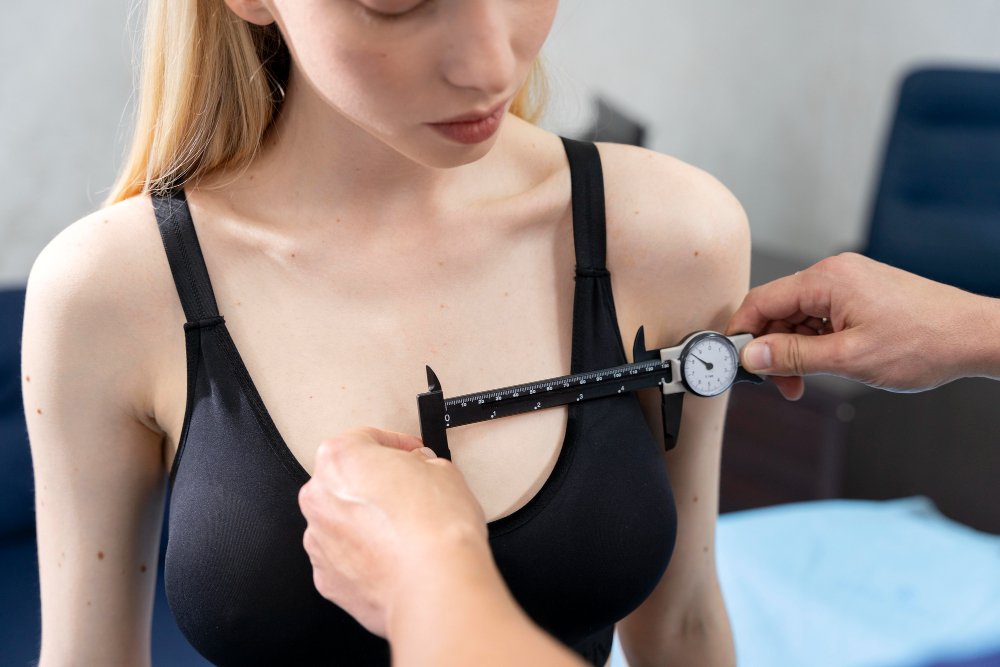
Physical comfort and emotional wellbeing are often connected. When women feel uncomfortable with the size or shape of their breasts, they may become self-conscious about their appearance. Some may avoid certain clothes, social situations, photographs, or activities.
Breast reduction can create a breast size that feels more proportionate to the individual’s body. This may help some women feel more comfortable and confident in their appearance.
However, it is important to approach surgery with realistic expectations. Breast reduction can change physical characteristics, but it cannot guarantee a particular emotional outcome or solve every concern related to body image.
6. It May Support Better Sleep and Everyday Comfort
Very large breasts can sometimes make certain sleeping positions uncomfortable. Some women may also experience discomfort when lying on their side or stomach.
By reducing breast volume, breast reduction may make certain daily movements and sleeping positions more comfortable after recovery.
The extent of improvement varies from person to person, and other health or musculoskeletal factors can also affect sleep quality.
7. It Can Make Daily Movement Easier
Simple everyday activities can become uncomfortable when the breasts feel heavy. Walking for longer periods, climbing stairs, bending forward, carrying out household tasks, or standing for extended periods may be affected by physical discomfort.
Reducing excess breast tissue can potentially make movement feel less restricted and improve general physical comfort.
The goal is not simply a smaller breast size, but a result that supports the patient’s proportions, comfort, and lifestyle.
Breast Reduction Is Both a Functional and Cosmetic Procedure
Breast reduction is sometimes viewed purely as cosmetic surgery because it changes the size and appearance of the breasts. However, its potential functional benefits are an important reason many women consider the procedure.
A successful breast reduction may address concerns involving:
- Breast heaviness
- Physical discomfort
- Difficulty exercising
- Skin irritation
- Clothing limitations
- Body proportions
- Self-confidence
This combination of physical and aesthetic considerations is one reason breast reduction can have a meaningful effect on quality of life for appropriately selected patients.
What Happens During a Breast Reduction Consultation?
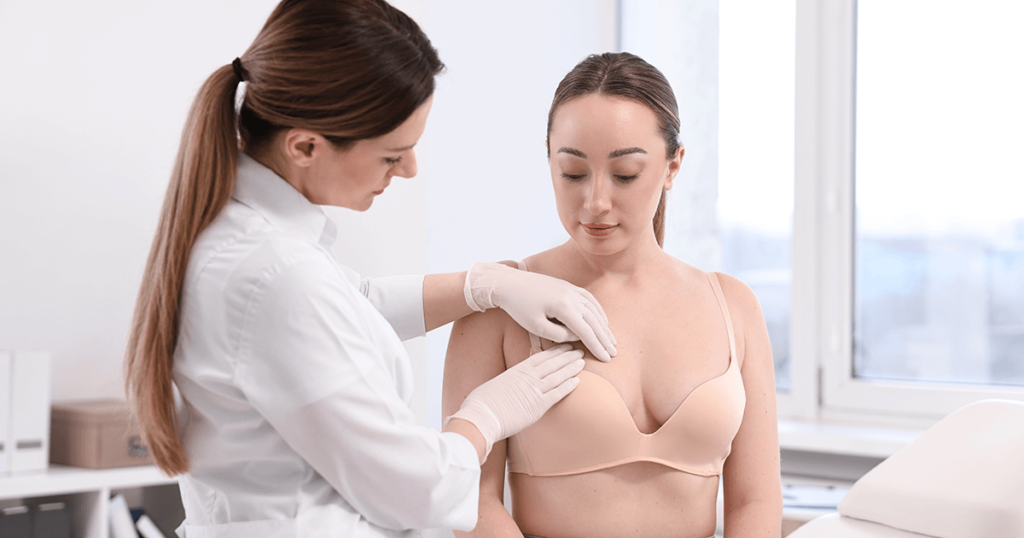
A consultation is an important part of deciding whether breast reduction is appropriate for you.
During the appointment, a qualified surgeon may discuss:
- Your reasons for considering surgery
- Your current breast size and shape
- Any physical discomfort you experience
- Your medical history
- Previous surgeries
- Your lifestyle and activity level
- Your desired breast size
- Potential surgical techniques
- Scarring
- Recovery
- Possible risks and complications
Your surgeon may also explain what can realistically be achieved based on your anatomy and goals.
An individualized assessment is essential because there is no single breast reduction technique that is suitable for every patient.
What Is Recovery Like After Breast Reduction?
Recovery varies depending on the surgical technique, the amount of tissue removed, and the individual’s overall health.
It is normal to experience swelling, bruising, tenderness, and tightness during the early recovery period. Your surgeon will provide specific instructions regarding wound care, medication, sleeping positions, physical activity, and the use of supportive garments.
Strenuous exercise and heavy lifting are generally restricted during the initial healing period. Returning to normal activities should be guided by your surgical team rather than by a fixed timeline. As swelling gradually decreases, the final breast shape becomes easier to appreciate.
Are There Risks Associated With Breast Reduction?
Like any surgical procedure, breast reduction carries potential risks. These may include infection, bleeding, changes in sensation, delayed wound healing, asymmetry, visible scarring, and changes in the ability to breastfeed. In some cases, additional surgery may be required.
Your surgeon should explain the potential benefits and risks before treatment so you can make an informed decision.
Choosing a properly qualified and experienced plastic surgeon and following postoperative instructions carefully are important parts of reducing avoidable complications.
Who May Consider Breast Reduction Surgery?
Breast reduction may be considered by women who feel that their breast size is causing significant physical discomfort, activity limitations, clothing difficulties, or concerns about body proportions. However, suitability depends on individual circumstances.
A surgeon may consider factors such as overall health, breast development, weight stability, smoking status, medications, medical history, and personal expectations before recommending surgery.
Breast reduction should be considered a personal decision rather than something done because of pressure from other people.
Choosing the Right Breast Size After Surgery
One of the most important parts of breast reduction planning is discussing your desired outcome with your surgeon.
The goal is not necessarily to achieve the smallest possible breast size. Instead, the surgeon needs to consider your body proportions, tissue characteristics, skin quality, and what can safely be achieved through surgery.
During your consultation, it can be helpful to explain what you would like to change and what you want to preserve.
Clear communication helps your surgeon understand whether your priorities are primarily related to comfort, appearance, activity, or a combination of these factors.
How Long Do the Benefits Last?
Breast reduction provides a long-lasting reduction in breast volume, but breasts can naturally change over time.
Factors such as:
- Pregnancy
- Breastfeeding
- Significant weight changes
- Ageing
- Hormonal changes
- Skin elasticity
can influence breast shape and size in the future.
Maintaining a relatively stable weight and following healthy lifestyle habits can help support your long-term result, although natural changes cannot be completely prevented.
Final Thoughts
Breast reduction surgery can be about much more than changing breast size. For women who experience discomfort or limitations because of very large breasts, reducing excess breast tissue may help improve physical comfort, mobility, clothing choices, and confidence.
The potential improvement in quality of life is highly individual, and surgery is not the right choice for everyone. A detailed consultation with a qualified plastic surgeon is the best way to understand whether breast reduction is suitable for your anatomy, health, and personal goals.
If breast size is affecting your everyday comfort or preventing you from enjoying activities you value, discussing your concerns with an experienced specialist can be an important first step toward making an informed decision.
Frequently Asked Questions
Is breast reduction surgery only for cosmetic reasons?
No. Although breast reduction changes the appearance and proportions of the breasts, many women consider it because of physical discomfort, activity limitations, clothing difficulties, or other quality-of-life concerns.
Can breast reduction help with back and shoulder pain?
Reducing breast volume may reduce the physical load placed on the upper body and can improve comfort for some women. However, back or shoulder pain can have many causes, so an individual medical assessment is important.
Will breast reduction make exercise easier?
Some women find physical activity more comfortable after breast reduction because there is less breast weight and movement. Exercise should be resumed gradually and according to the surgeon’s postoperative guidance.
Does breast reduction leave scars?
Yes. Breast reduction requires incisions, so some degree of scarring is expected. The location and appearance of scars depend on the surgical technique, individual healing, and other factors.
Can breast size increase again after reduction surgery?
Breasts can change over time due to pregnancy, breastfeeding, significant weight changes, hormonal changes, and ageing. While the removed tissue does not simply grow back, overall breast size and shape can change.
How long does it take to recover from breast reduction?
Recovery differs between patients. Swelling and tenderness are common initially, while the breasts gradually settle as healing progresses. Your surgeon will provide personalized guidance about work, exercise, and other activities.
Can breast reduction affect breastfeeding?
It can. Depending on the surgical technique and the amount of breast tissue removed, breastfeeding ability may be affected. Women who may want to breastfeed in the future should discuss this with their surgeon before surgery.
Is breast reduction suitable for everyone?
No. Suitability depends on factors such as general health, breast size, symptoms, medical history, expectations, and personal goals. A consultation is necessary to determine whether the procedure is appropriate.