
The eyes are one of the first areas people notice when looking at the face. Over time, ageing, genetics, sun exposure, and changes in skin elasticity can affect the appearance of the upper and lower eyelids. Loose skin, under-eye fullness, or eyelid heaviness may make someone look more tired than they actually feel. Blepharoplasty, commonly …


The eyes are one of the first areas people notice when looking at the face. Over time, ageing, genetics, sun exposure, and changes in skin elasticity can affect the appearance of the upper and lower eyelids. Loose skin, under-eye fullness, or eyelid heaviness may make someone look more tired than they actually feel.
Blepharoplasty, commonly known as eyelid surgery, is a procedure designed to address excess skin and, when appropriate, excess fat or tissue around the eyelids. For people considering blepharoplasty in Coral Springs, FL, understanding the procedure, potential benefits, limitations, recovery, and safety considerations is an important part of making an informed decision.
Choosing eyelid surgery is a personal decision, and the right approach depends on your facial anatomy, goals, overall health, and the specific concerns affecting your eyelids.
What Is Blepharoplasty?
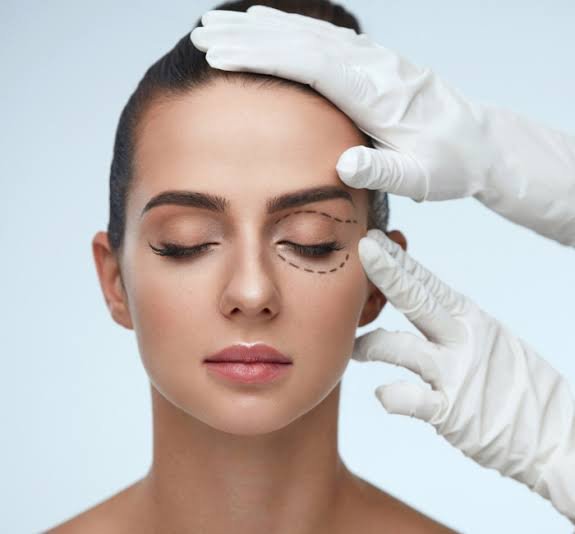
Blepharoplasty is a surgical procedure that improves the appearance of the upper eyelids, lower eyelids, or both. Depending on the patient’s anatomy and treatment goals, surgery may involve removing or repositioning excess skin, fat, or other tissue.
Upper eyelid surgery is often considered when excess skin creates a heavy or hooded appearance. Lower eyelid surgery may address concerns such as excess skin or prominent under-eye fat.
The procedure can be performed for cosmetic reasons, and in certain cases, excess upper eyelid skin may also interfere with the visual field. A proper examination is necessary to determine whether surgery is appropriate and what it can realistically accomplish.
Why Do People Consider Blepharoplasty?
People choose eyelid surgery for different reasons. Some are primarily concerned with changes associated with ageing, while others have naturally heavy or puffy eyelids due to genetics.
Common concerns include:
- Excess upper eyelid skin
- Hooded-looking eyelids
- Under-eye bags
- Puffiness beneath the eyes
- Loose lower eyelid skin
- An appearance of tiredness
- Asymmetry between the eyelids
- Reduced confidence related to eyelid appearance
It is important to understand that not every concern around the eyes can be corrected with blepharoplasty. Dark circles, fine lines, hollowing, and certain skin-quality concerns may require different approaches.
What Should You Know Before Choosing Blepharoplasty in Coral Springs, FL?
If you are researching blepharoplasty Coral Springs, FL, there are several factors worth considering before scheduling surgery.
1. Start With Your Specific Concerns
Before choosing a procedure, think about what you actually want to improve. Are you concerned about excess skin on the upper eyelids? Are under-eye bags your main concern? Do you feel that your eyes look tired even when you are well rested?
Identifying the primary concern helps your surgeon determine whether blepharoplasty is appropriate or whether another treatment may be more suitable.
A good consultation should focus on your individual anatomy rather than applying the same treatment plan to every patient.
2. Choose a Qualified and Experienced Surgeon
The surgeon you choose is one of the most important decisions you will make.
When considering eyelid surgery, look for a properly qualified plastic surgeon with appropriate surgical training and experience performing facial and eyelid procedures.
During your consultation, ask about:
- The surgeon’s qualifications
- Experience with blepharoplasty
- The surgical technique recommended for you
- Potential risks and complications
- Expected scarring
- Recovery requirements
- Before-and-after results from appropriate patients
You should feel comfortable asking questions and discussing your expectations openly.
3. Understand What Blepharoplasty Can and Cannot Do
Blepharoplasty can improve certain structural concerns around the eyelids, but it does not stop the natural ageing process.
The procedure may help address excess skin and certain forms of eyelid or under-eye fullness. However, it may not completely eliminate:
- Crow’s feet
- All fine lines
- Dark circles caused by pigmentation
- Under-eye hollows
- Changes in skin texture
- Every sign of facial ageing
A realistic treatment plan is essential. Your surgeon should explain which concerns can reasonably be addressed through eyelid surgery and which may require another approach.
4. Upper and Lower Blepharoplasty Are Different
Not every patient needs surgery on both the upper and lower eyelids.
Upper Blepharoplasty
Upper eyelid surgery generally focuses on excess skin and, where appropriate, underlying tissue that contributes to a heavy or hooded appearance.
The incision is typically positioned within the natural crease of the upper eyelid, allowing the resulting scar to be less noticeable once healing progresses.
Lower Blepharoplasty
Lower eyelid surgery is more individualized. Depending on the patient’s anatomy, the procedure may involve removing or repositioning fat, addressing excess skin, or combining techniques to improve the transition between the lower eyelid and cheek.
Your surgeon will determine the appropriate technique after examining the lower eyelid and surrounding facial structures.
5. Discuss Your Medical History
A thorough medical assessment is important before any elective surgery.
Tell your surgeon about:
- Existing medical conditions
- Previous eye or facial surgery
- Current medications and supplements
- Allergies
- Smoking or nicotine use
- Previous reactions to anesthesia
- Any concerns involving your eyes or vision
Certain conditions and medications may influence surgical planning or recovery.
Never stop prescribed medication on your own. If medication adjustments are necessary before surgery, your surgeon or another appropriate healthcare professional should provide specific instructions.
6. Eye Health Matters
Because blepharoplasty involves the eyelids, your eye health is an important part of the evaluation.
Tell your surgeon if you experience:
- Dry eyes
- Excessive tearing
- Eye irritation
- Vision changes
- Previous eye surgery
- Difficulty fully closing your eyes
- Other ongoing eye problems
A detailed assessment can help identify factors that may affect treatment planning and recovery.
What Happens During a Blepharoplasty Consultation?
Your consultation is an opportunity to discuss both your concerns and your expectations.
The surgeon may examine:
- Eyelid skin
- Fat distribution
- Eyelid position
- Brow position
- Facial symmetry
- Skin elasticity
- The relationship between the eyelids and cheeks
Photographs may also be taken as part of the assessment and treatment planning. Based on the examination, your surgeon can explain whether upper blepharoplasty, lower blepharoplasty, both procedures, or another treatment would best address your concerns.
What Is Recovery Like?
Recovery varies between individuals and depends on the extent of surgery.
Following blepharoplasty, temporary swelling and bruising around the eyes are common. Some patients may also experience tightness, mild discomfort, sensitivity, or temporary changes in vision such as blurriness.
Your surgeon will provide detailed postoperative instructions. These may include guidance on wound care, sleeping position, physical activity, medications, and protecting the eyes during the healing period.
It is important to avoid strenuous activity until your surgeon confirms that it is safe to resume it.
Although the initial swelling generally improves with time, the final appearance may take longer to settle.
Will Blepharoplasty Leave Scars?
Yes. Because blepharoplasty involves incisions, some scarring is expected. For upper eyelid surgery, incisions can generally be placed within the natural eyelid crease. For lower eyelid surgery, the incision location depends on the technique selected for the patient.
Scars usually mature gradually, and their final appearance varies from person to person.
Your surgeon can explain where your incisions are likely to be placed and what you can reasonably expect during the healing process.
What Are the Potential Risks?
Like any surgical procedure, blepharoplasty carries potential risks.
These may include:
- Infection
- Bleeding
- Swelling
- Scarring
- Changes in eyelid sensation
- Temporary or persistent dry eyes
- Difficulty closing the eyes
- Asymmetry
- Changes in vision
- Need for additional surgery
Serious complications are uncommon but can occur. Your surgeon should discuss the risks relevant to your individual circumstances before you decide to proceed.
How Long Do Blepharoplasty Results Last?
Blepharoplasty can produce long-lasting changes, but the face and eyelids continue to age naturally.
Factors such as genetics, sun exposure, lifestyle, skin elasticity, and the ageing process can influence the appearance of the eyelids over time.
The goal is not to prevent ageing but to address existing structural concerns and create a refreshed, natural-looking appearance.
How Much Does Blepharoplasty Cost in Coral Springs, FL?
The cost of blepharoplasty can vary considerably depending on several factors.
These may include:
- Upper, lower, or combined eyelid surgery
- Surgical complexity
- Surgeon’s experience
- Facility and anesthesia fees
- Preoperative and postoperative care
- Whether additional procedures are performed
Because every treatment plan is individualized, an online price alone may not accurately represent the total cost of surgery.
A consultation is the best way to receive a personalized treatment plan and understand what is included in the quoted fee.
How Can You Prepare for Your Consultation?
Preparing questions before your appointment can help you make the most of your consultation.
Consider asking:
- Am I a suitable candidate for blepharoplasty?
- Do I need upper eyelid surgery, lower eyelid surgery, or both?
- What technique would you recommend for my anatomy?
- Where will the incisions be placed?
- What kind of scarring should I expect?
- How long should I plan for recovery?
- When can I return to work and exercise?
- What risks are particularly relevant to me?
- What results are realistically achievable?
- What costs are included in the procedure?
A thorough discussion should leave you with a clear understanding of the procedure rather than feeling pressured to make an immediate decision.
Is Blepharoplasty Right for You?
There is no single age or appearance that automatically makes someone a good candidate for eyelid surgery.
Generally, suitable candidates should have realistic expectations, be in appropriate overall health, and have concerns that can reasonably be addressed through surgery.
The decision should be based on an individual medical assessment rather than comparisons with photographs or other people’s results.
If you are considering blepharoplasty in Coral Springs, FL, speaking with a qualified surgeon can help you determine whether the procedure aligns with your goals and circumstances.

Final Thoughts
Choosing eyelid surgery is an important decision that requires careful consideration. Understanding the procedure, selecting a qualified surgeon, discussing your eye health and medical history, and having realistic expectations can all contribute to a more informed experience.
Blepharoplasty Coral Springs, FL can address certain concerns involving excess eyelid skin and tissue, but the best treatment approach depends on each patient’s anatomy and goals.
Rather than focusing only on the price or a before-and-after photograph, consider the surgeon’s qualifications, experience, treatment philosophy, safety standards, and the quality of the consultation.
A personalized consultation is the appropriate next step for determining whether blepharoplasty is right for you and what type of result may realistically be achieved.
For more updates and details, visit our Instagram Page!
Frequently Asked Questions About Blepharoplasty in Coral Springs, FL
1. What is blepharoplasty?
Blepharoplasty, or eyelid surgery, is a procedure that addresses excess skin, fat, or tissue around the upper or lower eyelids to create a more refreshed and balanced appearance.
2. Who is a good candidate for blepharoplasty in Coral Springs, FL?
People with realistic expectations, good overall health, and concerns such as excess eyelid skin, hooded eyelids, or under-eye bags may be candidates. A consultation is necessary to determine suitability.
3. What is the difference between upper and lower blepharoplasty?
Upper blepharoplasty generally addresses excess skin or tissue on the upper eyelids, while lower blepharoplasty focuses on concerns such as under-eye bags, excess skin, or lower-eyelid fat.
4. How long does it take to recover from blepharoplasty?
Recovery varies from person to person. Swelling and bruising are common during the early healing period and gradually improve. Your surgeon will provide personalized instructions about returning to normal activities.
5. Does blepharoplasty leave visible scars?
Yes, blepharoplasty involves incisions and therefore some scarring is expected. Upper eyelid incisions are typically placed within the natural eyelid crease, while the incision location for lower eyelid surgery depends on the technique used.