Breast size can affect daily life in many ways. Large breasts may cause back pain, neck pain, shoulder pain, and skin irritation. They can also make exercise, walking, and other daily activities harder. The Breast Reduction Surgery Procedure may help reduce these physical discomforts and improve mobility, posture, and overall comfort. Breast reduction surgery can …


Breast size can affect daily life in many ways. Large breasts may cause back pain, neck pain, shoulder pain, and skin irritation. They can also make exercise, walking, and other daily activities harder. The Breast Reduction Surgery Procedure may help reduce these physical discomforts and improve mobility, posture, and overall comfort.
Breast reduction surgery can help reduce these problems. It removes extra breast tissue, fat, and skin to create smaller, lighter breasts. It can also improve breast shape and help the breasts look more balanced with the body.
However, every woman has different needs. Therefore, it is important to understand the treatment, preparation, recovery, and possible risks before making a decision.
What Is Breast Reduction Surgery?
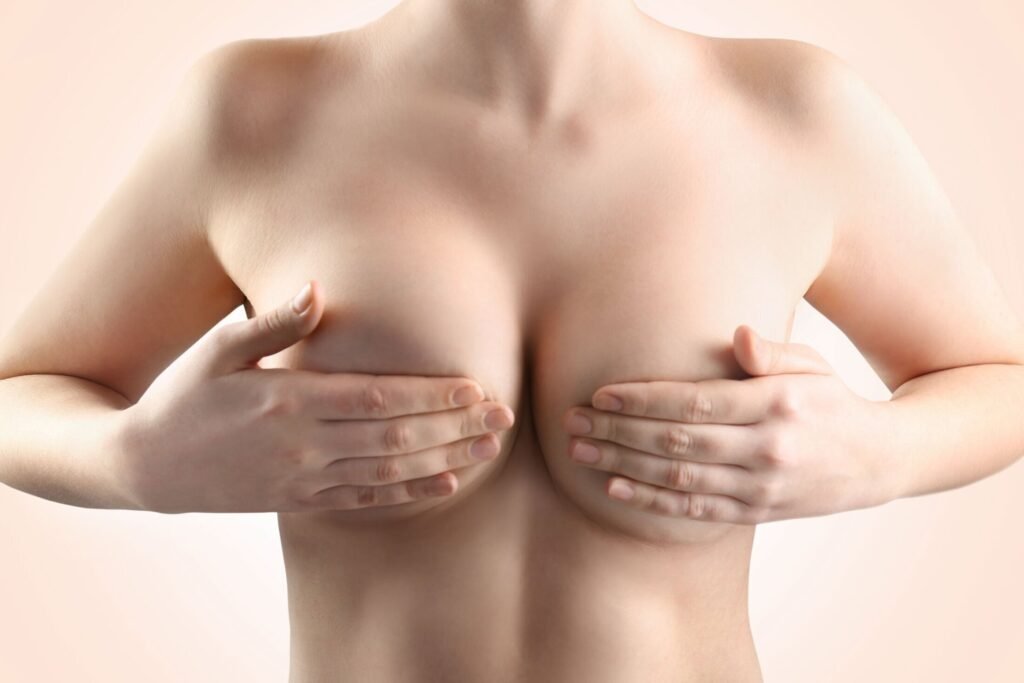
Breast reduction surgery is a procedure that reduces the size and weight of the breasts. A surgeon removes extra tissue, fat, and skin. Then, the surgeon reshapes the remaining breast tissue to create a smaller and more natural look.
This procedure may help women who experience physical discomfort because of large breasts. It may also help those who feel unhappy with their breast size or shape.
Some common reasons women consider this treatment include:
-
Back, neck, or shoulder pain.
-
Deep marks from bra straps.
-
Skin irritation beneath the breasts.
-
Difficulty exercising or playing sports.
-
Problems finding comfortable clothing.
-
Uneven breast size or shape.
-
Feeling uncomfortable with breast size.
However, breast reduction is not the right choice for everyone. A qualified surgeon can review your concerns and explain whether this procedure suits your needs.
Who May Benefit From Breast Reduction?
Women with large breasts may benefit from this procedure, especially when breast weight causes regular discomfort. For example, some women experience pain after standing or walking for long periods. Others find it hard to exercise because their breasts limit movement.
Breast reduction may also help women who struggle with skin irritation beneath the breasts. Reducing breast size can make it easier to keep the area clean and dry.
In addition, some women choose this procedure to improve their body proportions. Smaller breasts may help clothing fit better and make physical activities more comfortable.
Still, you should have realistic expectations. The procedure can improve breast size, shape, and comfort, but it cannot guarantee perfect symmetry or complete relief from every symptom.
Your surgeon will discuss your goals, medical history, and general health before recommending treatment.
What Happens Before Breast Reduction Surgery?
Preparing for surgery is an important step. Good preparation helps you understand the process and plan for recovery.
1. Schedule a Consultation
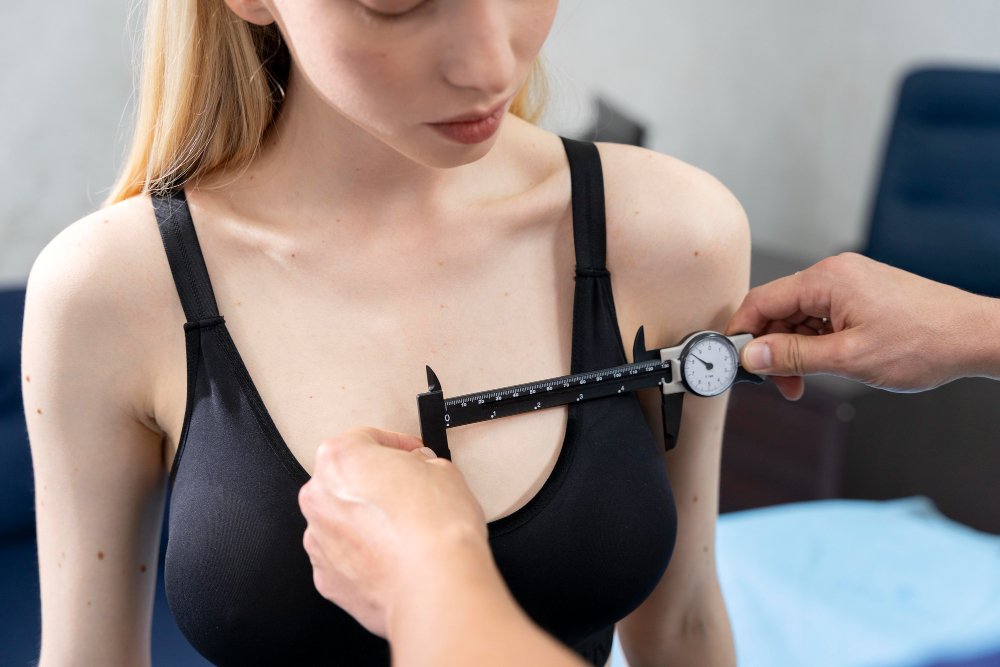
The first step is to meet a qualified plastic surgeon. During this visit, explain your concerns and what you want to achieve.
Your surgeon may ask about your medical history, current medications, allergies, and previous operations. They may also examine your breasts and discuss your preferred size.
Be honest about your health and lifestyle. This information helps the surgeon decide whether surgery is suitable for you.
If you are searching for the Best Cosmetic Surgeon near me, check the surgeon’s qualifications, experience, and approach to patient care. Do not make your decision based on price or online reviews alone.
2. Discuss Your Treatment Goals
Every woman has a different idea of the result she wants. Some want a small reduction, while others need a larger change to improve comfort.
During your consultation, discuss the size and shape you hope to achieve. Your surgeon can explain what is realistic based on your body shape, breast tissue, and skin condition.
You should also ask about scars, possible changes in nipple sensation, and how the procedure may affect breastfeeding.
Clear communication helps you understand what surgery can and cannot achieve.
3. Complete Medical Checks
Your surgeon may recommend medical tests before the procedure. These checks help assess your health and identify possible risks.
Depending on your age, health history, and clinical needs, your doctor may recommend breast imaging or other tests.
Tell your surgeon about all medicines, vitamins, and supplements you take. Some products can affect bleeding or healing. However, do not stop prescribed medication unless your healthcare professional tells you to do so.
4. Follow Pre-Surgery Instructions
Your surgeon will provide instructions to help you prepare. These may include stopping smoking, avoiding certain medicines, and following specific eating and drinking rules before anesthesia.
You should also arrange for someone to take you home after surgery. It is helpful to have a family member or trusted person available during the first few days.
Prepare comfortable clothes, easy meals, and a clean resting area. These small steps can make the first stage of recovery easier.
How Is Breast Reduction Surgery Performed?
Breast reduction surgery usually takes a few hours, although the exact time depends on the procedure and the patient’s needs.
First, the medical team prepares you for anesthesia. The surgeon then makes carefully planned cuts in the breasts. Through these cuts, the surgeon removes extra tissue, fat, and skin.
Next, the surgeon reshapes the breasts and may move the nipples and areolas to a higher position. The surgeon then closes the cuts with stitches.
The exact technique depends on breast size, shape, skin quality, and the amount of reduction required.
After surgery, the medical team monitors you as you wake from anesthesia. Some patients return home the same day, while others may need a longer stay based on their condition and the surgeon’s advice.
What Should You Expect After Surgery?
Recovery takes time. Your body needs rest to heal, and the final results will not appear immediately.
The First Few Days
You may experience swelling, bruising, soreness, and tightness around your breasts. These symptoms are common after surgery and should gradually improve.
Your surgeon may recommend pain medicine and a special support bra. Follow the instructions carefully and keep the surgical area clean as directed.
You should rest and avoid heavy lifting. Ask someone to help with household tasks, especially during the first few days.
Contact your medical team if you have concerns about your recovery. Seek urgent medical care for chest pain, sudden shortness of breath, heavy bleeding, or other severe symptoms.
The First Few Weeks
During the first few weeks, swelling and bruising should slowly decrease. However, your breasts may still feel tender or look uneven while healing.
You should avoid strenuous exercise, heavy lifting, and movements that place pressure on the chest until your surgeon says they are safe.
Attend all follow-up appointments. Your surgeon will check your incisions and monitor your healing progress.
You may be able to return to light daily activities within a couple of weeks, but recovery time varies. Follow your surgeon’s advice rather than rushing back to your normal routine.
After Several Months
Your breasts will gradually settle into their new shape as swelling decreases. Scars may appear pink or firm at first, but they often soften and fade over time.
Final results may take several months to become clear. The exact timeline depends on your body, the surgical technique, and how well you heal.
Keep in mind that scars do not usually disappear completely. Your surgeon can explain how to care for them and what changes you can expect.
What Are the Possible Risks?
Like any operation, breast reduction surgery carries some risks. Understanding these risks helps you make an informed decision.
Possible complications include:
-
Bleeding or infection.
-
Slow wound healing.
-
Visible or thick scars.
-
Changes in nipple or breast sensation.
-
Differences in breast shape or size.
-
Difficulty breastfeeding in the future.
-
Risks related to anesthesia.
-
Rarely, problems with blood supply to the nipple or surrounding tissue.
Some changes may be temporary, while others can last longer. Your individual risk depends on your health, smoking status, surgical technique, and other factors.
Discuss these concerns openly with your surgeon before treatment. A qualified professional should explain both the benefits and limitations of surgery.
How to Choose the Right Plastic Surgeon
Choosing the right surgeon is one of the most important parts of your treatment journey. Look for a properly qualified plastic surgeon who has experience with breast reduction procedures.
If you live in Florida, you may search for an Affordable Surgeon in Florida or a Plastic Surgery Clinic Coral Springs. However, affordability should not be your only concern.
Consider the following points before making a decision:
-
Qualifications: Confirm the surgeon’s medical credentials and relevant specialist training.
-
Experience: Ask how often the surgeon performs breast reduction procedures.
-
Before-and-after photos: Review examples of previous patients, while remembering that results vary.
-
Safety: Ask where the procedure will take place and whether the facility meets appropriate safety standards.
-
Communication: Choose a surgeon who answers your questions clearly.
-
Recovery support: Confirm that follow-up visits and postoperative guidance are available.
-
Total cost: Ask what the quoted price includes, such as anesthesia, facility fees, and follow-up care.
You should feel comfortable discussing your concerns with your surgeon. Take time to compare your options before deciding.
Can Breast Reduction Be Combined With Other Cosmetic Procedures?
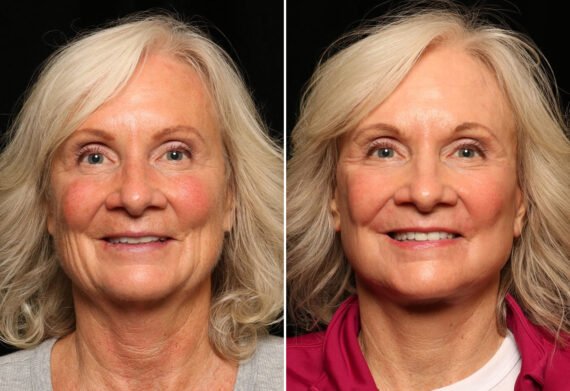
Some patients consider other cosmetic procedures to address different concerns. For example, women who want to improve facial appearance may ask about Anti Aging Facial Surgery FL or facial rejuvenation treatments.
Other procedures include eyelid surgery, which may be described as Blepharoplasty Coral Springs, FL, and facelift surgery for certain signs of facial aging.
However, each procedure serves a different purpose. Breast reduction focuses on breast size, weight, and shape. Facial procedures address concerns involving the face and eyes.
Combining procedures may be suitable for some patients, but it can also increase surgical time and recovery demands. Your surgeon should assess your health, treatment goals, and overall risk before recommending more than one operation.
Never feel pressured to combine treatments. It is reasonable to complete one procedure first and consider other options later.
Tips for a Smooth Recovery
Your daily habits can support healing after surgery. Although recovery differs from person to person, a few simple steps can help.
Follow Your Surgeon’s Advice
Take medicines as directed and attend scheduled appointments. Do not remove dressings or apply creams unless your medical team approves them.
Eat Balanced Meals
Choose foods that provide protein, vitamins, and minerals. Eggs, fish, beans, vegetables, fruit, and other nutritious foods can support your body’s normal healing process.
Drink enough water unless your doctor has given you different instructions.
Get Enough Rest
Sleep helps your body recover. Arrange pillows to support a comfortable position and follow your surgeon’s advice about sleeping on your back or avoiding pressure on your breasts.
Avoid Smoking
Smoking can reduce blood flow and increase the risk of wound-healing problems. Ask your healthcare professional for help with stopping smoking before and after surgery.
Return to Exercise Slowly
Do not return to intense exercise too soon. Start with gentle movement when your surgeon approves it, and increase activity gradually according to your recovery plan.
What Results Can You Expect?
Breast reduction can make the breasts smaller, lighter, and more balanced with the body. Many patients seek relief from the discomfort caused by heavy breasts and greater ease during everyday activities.
However, results vary. Your final breast shape depends on your starting size, skin quality, healing process, and surgical technique.
Your breasts may also change over time because of aging, weight changes, pregnancy, and hormonal changes. Therefore, it is important to have realistic expectations and understand that surgery cannot stop these natural processes.
A consultation with a qualified surgeon is the best way to learn what results may be possible for you.
Final Thoughts
Breast reduction surgery can be a helpful option for women who experience discomfort or feel unhappy with the size of their breasts. Understanding the procedure, preparing properly, and following recovery instructions can help you approach treatment with greater confidence.
Take your time when choosing a surgeon. Ask questions, discuss the possible risks, and make sure you understand the expected recovery period. Most importantly, choose treatment based on your health and personal goals rather than pressure from others.
For more updates and details, visit our Instagram account!